Maharashtra Govt to Create 519 Posts to Boost Lift Safety Checks; Third-Party Audit System in the Works
Maharashtra
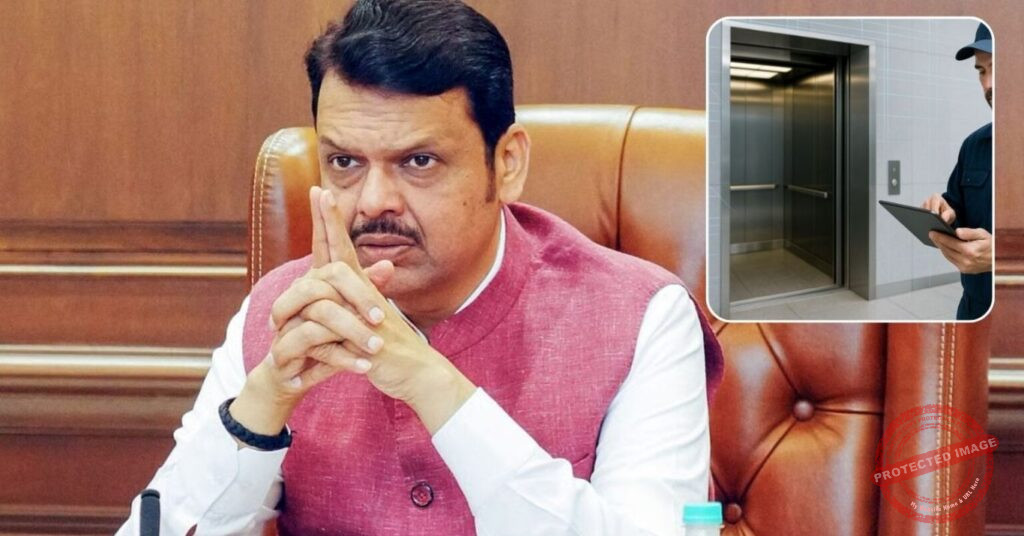
Maharashtra government plans 519 new posts to strengthen lift safety inspections and introduce third-party audits, aiming to prevent accidents and protect public safety.
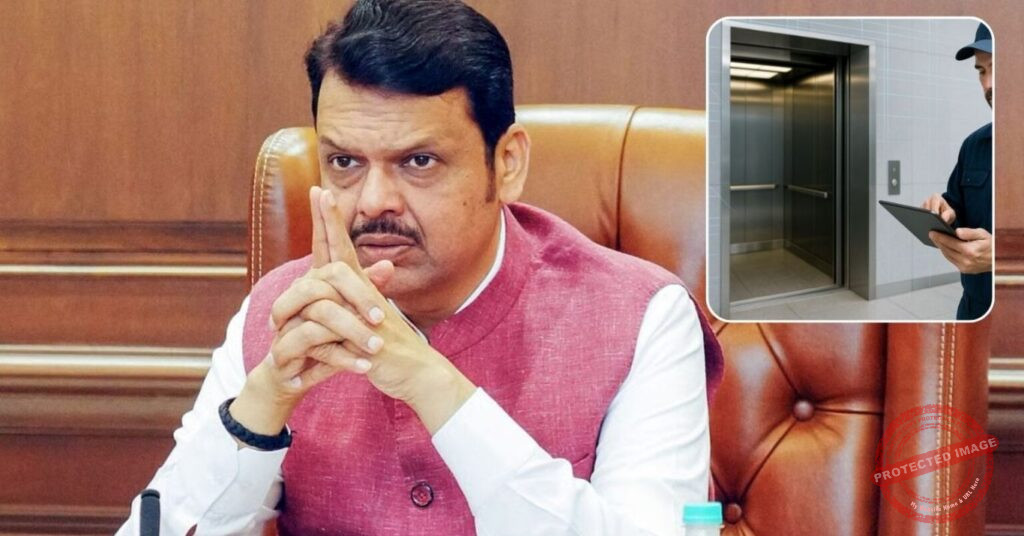
The Government of Maharashtra has approved the creation of 519 new posts across departments to strengthen safety inspections of lifts (elevators) across the state. This decision comes amid rising concerns about mechanical failures and public safety, with officials pushing for stricter regulation and a third-party audit system to ensure compliance with safety standards.
According to the official order issued by the Labour Department, Maharashtra will now introduce dedicated personnel at key levels of administration to carry out more frequent and effective inspections of lifts installed in residential and commercial buildings. The move is aimed at reducing accidents and ensuring building occupants are protected through rigorous enforcement of safety rules.
Lifts are an essential part of urban life, especially in fast-growing cities like Mumbai, Pune, and Nagpur, where high-rise buildings dominate the skyline. However, recent incidents involving faulty lifts and safety lapses have heightened concerns among residents and authorities alike.
Officials pointed out that existing manpower was insufficient to monitor thousands of lifts across the state. The new posts are expected to strengthen the lift inspection wing of the Labour Department, enabling faster response times and regular checks.
The government has also revealed plans to introduce a third-party audit system in addition to regular inspections. Under this approach, accredited independent agencies would conduct safety audits of lifts and certify compliance with technical and statutory requirements. Officials believe third-party certification will reduce conflicts of interest and improve transparency.
According to sources within the Labour Department:
- All new lift installations will require mandatory third-party safety certification before operation.
- Existing lifts may be subjected to periodic audits by registered technical agencies.
- Inspectors will be empowered to suspend lift operations if they identify major safety violations.
- Reports from third-party auditors will be submitted to the Labour Department for verification and action.
By distributing the workload across 519 newly approved posts, the government expects a significant increase in both routine and surprise inspections.
A senior official from the Labour Department told MyPunePulse that the decision was taken after consultations with urban development authorities, lift manufacturers, building owners, and safety experts. “We need a proactive system that goes beyond reactive complaints,” the official said. “Third-party audits will bring professional expertise into the safety verification process.”
Experts believe the move will have the following benefits:
- Higher standards of compliance, as independent auditors are trained to identify complex safety issues.
- Reduced incidents of lift breakdowns and accidents, thanks to more frequent and thorough checks.
- Improved accountability, as third-party auditors will be responsible for accurate reporting.
- Increased public confidence, especially among residents of high-rise buildings in metropolitan areas.
For building owners and developers, the new audit system may mean additional costs, as third-party inspections are expected to have separate fee structures. However, most industry experts say the costs will be outweighed by the improved safety and potential reduction in liability.
Residents, particularly in cities with dense populations and heavy lift usage, have welcomed the initiative. “We use lifts multiple times a day – safety can’t be left to chance,” said one Pune resident. “Dedicated inspection staff and independent audits will make a real difference.”
While the plan has been broadly welcomed, implementing the third-party audit system poses challenges:
- Accreditation standards will need to be established for audit agencies.
- Training and capacity building will be required for inspectors and auditors alike
- A monitoring system must be developed to ensure audit reports are reliable and enforceable.
Despite these hurdles, the move represents a step toward stronger regulatory oversight in Maharashtra.
Follow us On Our Social media Handles :
Instagram
Youtube
Facebook
Twitter
Also Read- Pune