Israeli Strikes on Tehran Oil Reserves Trigger Toxic Rain Fears; At Least Four Dead
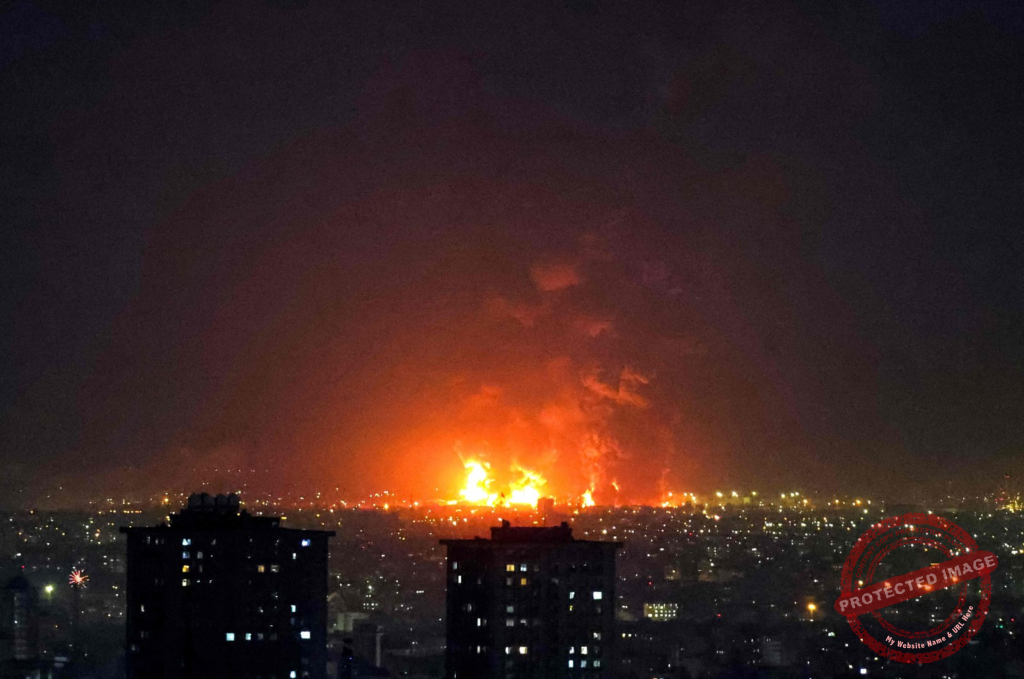
Tehran
Israeli airstrikes targeted oil storage facilities in Tehran, causing massive fires and raising concerns over toxic rain and environmental contamination, with reports confirming at least four fatalities.
Tehran, March 9, 2026: Israeli forces carried out a series of airstrikes on oil storage facilities in Tehran, resulting in massive fires and explosions that have killed at least four people and injured several others. Authorities and environmental experts are now warning of potential toxic rainfall and air pollution in the surrounding areas due to the burning of petrochemical products.
The attacks, confirmed by Iranian state media, struck key oil depots on the outskirts of Tehran, causing fires that burned for several hours. Witnesses reported thick black smoke rising into the sky, covering nearby neighborhoods and prompting emergency evacuation measures. (reuters.com)
Local hospitals have received multiple casualties, with authorities confirming at least four deaths and dozens injured. Emergency teams are working to contain the fire and prevent further explosions, while civil defense authorities have issued warnings about toxic air and the risk of acid rain due to the combustion of oil and chemicals stored at the sites.
Environmental analysts have cautioned residents to avoid exposure to rainwater and air in areas downwind of the fires. The smoke contains harmful chemicals including sulfur dioxide and volatile organic compounds that could lead to respiratory issues and contaminate soil and water sources.
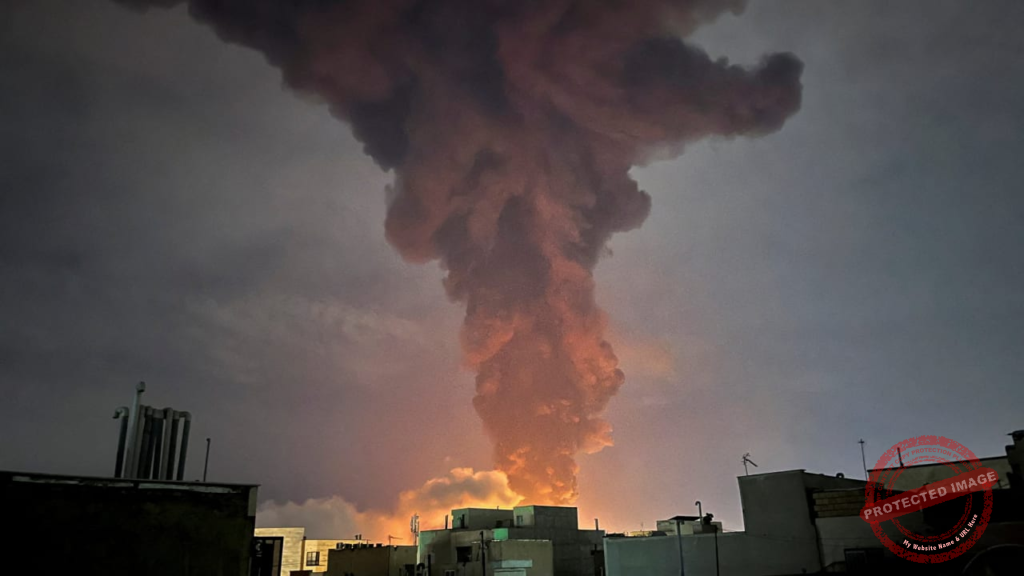
The strikes mark one of the most significant attacks on Iran’s oil infrastructure in recent years. The Iranian government condemned the attack as a violation of sovereignty and vowed to respond, raising tensions further in the already volatile Middle East region. International observers have expressed concern over the potential for escalation and the humanitarian impact of such attacks.
According to military analysts, the airstrikes appear to be part of a strategic effort to target Iran’s energy sector, potentially disrupting oil supplies and causing economic strain. The long-term environmental and public health consequences of the attacks are still being assessed.
Local authorities have urged citizens to remain indoors, use protective masks, and avoid consuming locally collected rainwater until safety tests are conducted. Cleanup operations and environmental monitoring teams are being deployed to assess soil and water contamination risks and implement safety measures.
This incident underscores the vulnerability of energy infrastructure in conflict zones and raises urgent questions about the environmental consequences of military strikes. Residents and officials alike remain on high alert as the situation develops, while international agencies monitor the unfolding crisis closely.
Follow us On Our Social media Handles :
Instagram
Youtube
Facebook
Twitter
Also Read- Pune