US Faces Strategic Trap After Misjudging Iran’s Response in Escalating Conflict
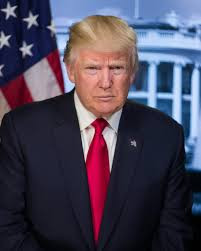
The US is facing mounting economic and strategic pressure after reportedly underestimating Iran’s aggressive response, triggering disruptions in global oil routes and escalating tensions across the Middle East.
March 16 | Washington, D.C: The United States has found itself in a complex strategic predicament after allegedly miscalculating Iran’s response to recent military actions carried out alongside Israel. Analysts and political observers say the situation has exposed flaws in the early assessments made by President Donald Trump and his advisers regarding Iran’s potential retaliation. Prior to the strikes, the administration reportedly downplayed risks to global energy markets, describing potential disruptions as temporary concerns. However, Iran’s aggressive reaction has significantly intensified the situation. Tehran has threatened to target commercial oil tankers passing through the vital Strait of Hormuz, a strategic maritime corridor responsible for transporting nearly 20 percent of the world’s oil supply.
The threats triggered immediate concerns in international shipping routes across the Persian Gulf, with several commercial vessels halting movement due to security fears. As a result, global oil prices have surged, raising concerns about rising fuel costs for American consumers and increasing economic pressure on Washington. Reports suggest that Iran launched a series of missile and drone attacks targeting American military bases, Israeli territories, and cities in neighbouring Arab countries. The escalation forced the United States to reassess its military and diplomatic strategy while also evacuating personnel from certain embassies in the region.
Within Washington, criticism has intensified regarding the administration’s preparedness. Christopher S. Murphy, a Democratic senator, publicly questioned the lack of a clear strategy to reopen and secure shipping routes through the Strait of Hormuz. Some officials within the administration have also reportedly expressed frustration over the absence of a defined plan to bring the conflict to a close. Meanwhile, the White House has defended its approach, insisting that the administration had prepared strong contingency plans and that disruptions to the oil market would be temporary. Defence officials, including Pete Hegseth, acknowledged that Iran’s intensity of response had been stronger than anticipated. With oil prices rising and geopolitical tensions deepening, Washington is now exploring alternative energy supply measures, including boosting domestic refining capacity and exploring imports from Venezuela. Political leaders are also concerned about the economic impact ahead of upcoming electoral contests
Follow us On Our Social media Handles :
Instagram
Youtube
Facebook
Twitter
Also Read- Pune