Kejriwal Questions Judicial Neutrality in Explosive Letter, Flags ‘Conflict of Interest’ Concerns
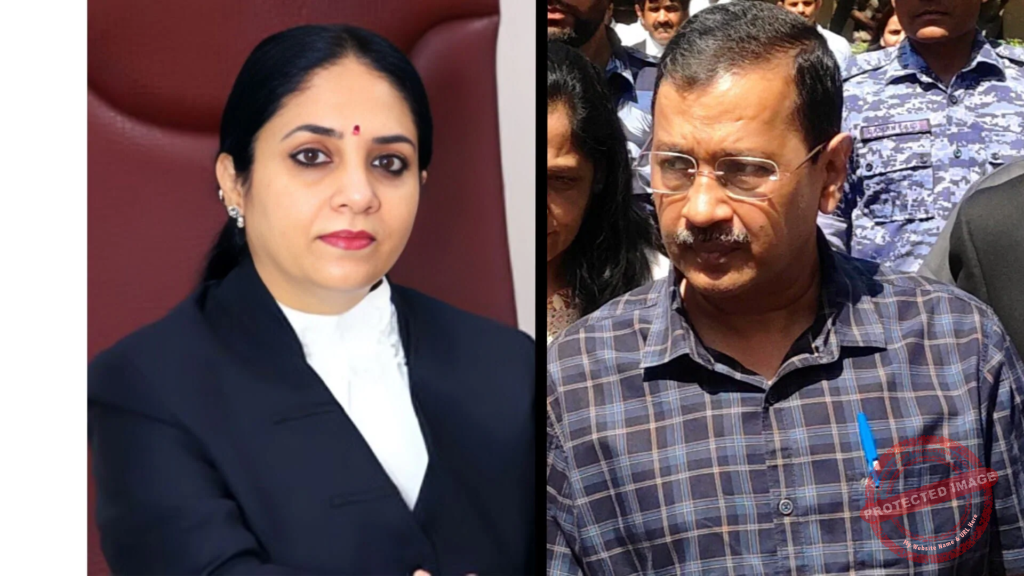
Arvind Kejriwal alleges conflict of interest against Justice Swarnkanta Sharma, raising serious concerns over judicial impartiality and triggering nationwide debate.
New Delhi, 27 April, 2026: Former Delhi Chief Minister and AAP convenor Arvind Kejriwal has triggered a major political and legal storm by directly questioning the neutrality of the judiciary in a strongly worded letter addressed to Delhi High Court judge Swarnkanta Sharma. In his letter, Kejriwal alleged a serious conflict of interest, claiming that the judge’s close connections with the central government and Rashtriya Swayamsevak Sangh make it difficult for him to expect a fair trial.
He further argued that since the Central Bureau of Investigation is representing the Centre in the case against him, the possibility of an unbiased hearing is compromised. Expanding on his claims, Kejriwal pointed to the professional roles of the judge’s children, stating that both are empanelled as government lawyers and receive assignments through Solicitor General Tushar Mehta, which, according to him, creates a direct financial and professional linkage with the government. Calling this a clear case of ‘conflict of interest’, he questioned how a judge in such a position could deliver an impartial verdict in matters involving the same establishment.
In a dramatic move, Kejriwal also announced that he and his legal team would no longer appear before the concerned bench, stating that he has lost all hope of receiving justice in the current setup. He indicated a shift from a legal battle to a moral and political fight, invoking Mahatma Gandhi and suggesting that when institutional justice fails, taking the issue to the public becomes necessary. The development has sparked intense debate among legal experts and political observers, with many noting that such direct allegations against a sitting judge are rare and could have serious legal implications, including possible contempt proceedings. At the same time, some experts believe the judiciary may consider transferring the case to another bench to maintain public confidence. Overall, the controversy has reignited a broader conversation around judicial independence, accountability, and the handling of perceived conflicts of interest within India’s legal system.
Follow us On Our Social media Handles :
Instagram
Youtube
Facebook
Twitter
Also Read- Pune