Groundwater Levels in Pune District Fall Below Five-Year Average; Haveli Worst Hit
Groundwater Levels in Pune District Fall Below Five-Year Average; Haveli Worst Hit
Groundwater levels in Pune district have fallen below the five-year average, with Haveli recording a 1.18-metre decline, according to GSDA data.
PUNE: Groundwater levels across Pune district have dropped below the five-year average, raising concerns about water availability as the region enters the post-monsoon period. Haveli taluka has recorded the sharpest decline, according to a groundwater assessment conducted at the end of September.
Data from the Groundwater Surveys and Development Agency (GSDA) shows that groundwater depth in Haveli increased from a five-year average of 2.87 metres to 4.05 metres in September, indicating a decline of 1.18 metres in the groundwater level.
Mulshi also recorded a fall, with groundwater depth rising from an average of 1.05 metres to 1.67 metres, a decline of 0.63 metres. In Maval, the groundwater depth increased from 0.40 metres to 0.53 metres, marking a drop of 0.13 metres compared with the five-year average.
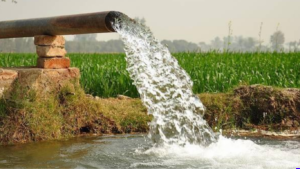
The figures point to growing pressure on groundwater resources in parts of Pune district. Factors contributing to the concern include deficient rainfall, increasing urbanisation and concretisation, water cuts, and excessive extraction of groundwater.
The situation has implications for both urban and rural areas, where groundwater is used for domestic needs, agriculture and other activities. Lower groundwater levels can place additional pressure on wells and borewells, particularly during periods of limited rainfall.
With the monsoon season ending, monitoring groundwater availability and managing water consumption will be important in the coming months. Residents are also encouraged to use water judiciously as Pune district faces concerns over its long-term water security.
Social media Handles :
Instagram
Youtube
Facebook
Twitter
NewsDotz