New Highway Toll Rules Enforced: Heavy Penalties for Overloaded Vehicles, FASTag to Enable Automatic Deductions
New Highway Toll Rules Enforced
New toll rules effective April 15 impose steep penalties on overloaded vehicles, with automatic deduction via FASTag, while offering exemption for minor overload up to 10 percent to avoid unnecessary fines.
New Delhi | April 15, 2026:
In a move aimed at strengthening road safety and protecting highway infrastructure, the central government has rolled out new toll regulations for vehicles operating on national highways. The revised framework introduces a stricter penalty system for overloaded vehicles while adopting technology-driven enforcement mechanisms to ensure transparency and efficiency.
Under the updated rules, vehicles carrying up to 10 percent excess load over the permissible limit will not face any penalty. Officials said this provision has been introduced to account for minor deviations and measurement variations, offering relief to drivers and transport operators who may otherwise face fines for marginal overload.
However, penalties escalate sharply beyond this threshold. Vehicles overloaded between 10 percent and 40 percent will now be required to pay double the standard toll fee. For those exceeding the limit by more than 40 percent, the toll charges will rise to four times the base rate, significantly increasing the cost of non-compliance.
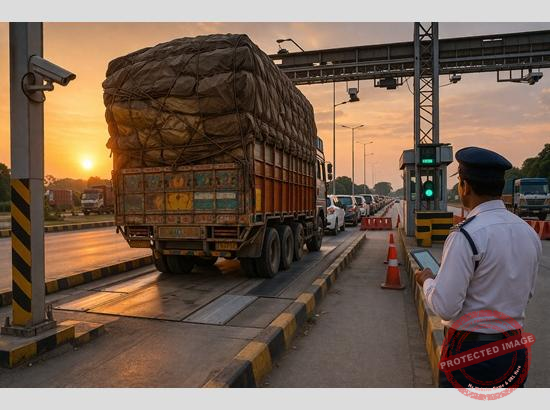
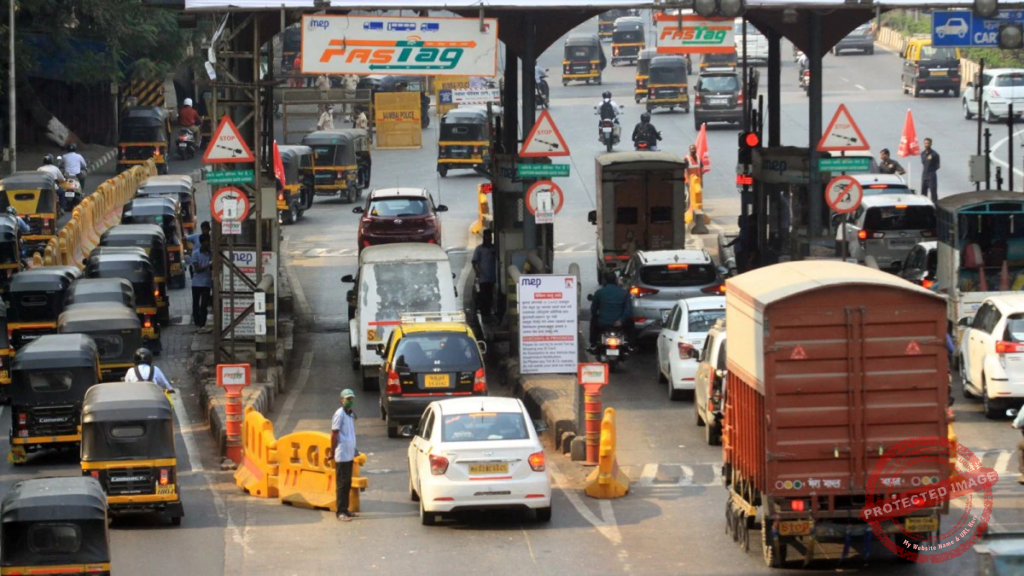
The enforcement of these rules will be carried out through the FASTag system, which enables automatic deduction of toll and penalty charges. Certified weighbridges installed at toll plazas will measure the total weight of vehicles, including cargo, and compare it against the permissible Gross Vehicle Weight.
If a vehicle is found to be overloaded, the penalty amount will be calculated instantly and deducted directly from the FASTag account, eliminating the need for manual payment. Authorities believe this will not only streamline operations but also reduce disputes and delays at toll plazas.
Additionally, all instances of overloading will be recorded and uploaded to the VAHAN database, allowing authorities to monitor violations and take further action if necessary. This integration is expected to enhance compliance and provide a centralized system for tracking repeat offenders.
Officials noted that the initiative is part of a broader effort to curb overloading, which has long been a major cause of road damage and accidents. Excess load puts significant stress on highway infrastructure, leading to faster deterioration and increased maintenance costs. It also compromises vehicle stability, posing safety risks to drivers and other road users.

In cases where weighbridges are not installed or are non-functional at a toll plaza, no overload penalty will be imposed. Vehicles in such situations will only be charged the standard toll fee. However, authorities подчеркнули that the responsibility of adhering to prescribed load limits remains with vehicle owners and drivers.
Transport experts have welcomed the move, stating that the combination of strict penalties and automated enforcement could lead to better compliance across the sector. They also highlighted that digital systems like FASTag reduce human intervention, thereby minimizing the chances of corruption and improving overall efficiency.
As the new rules come into effect nationwide, transporters and logistics operators are expected to recalibrate their operations to ensure compliance. The government maintains that the revised policy strikes a balance between enforcement and fairness, encouraging responsible usage of national highway infrastructure.
Follow us On Our Social media Handles :
Instagram
Youtube
Facebook
Twitter
Also Read- Pune